
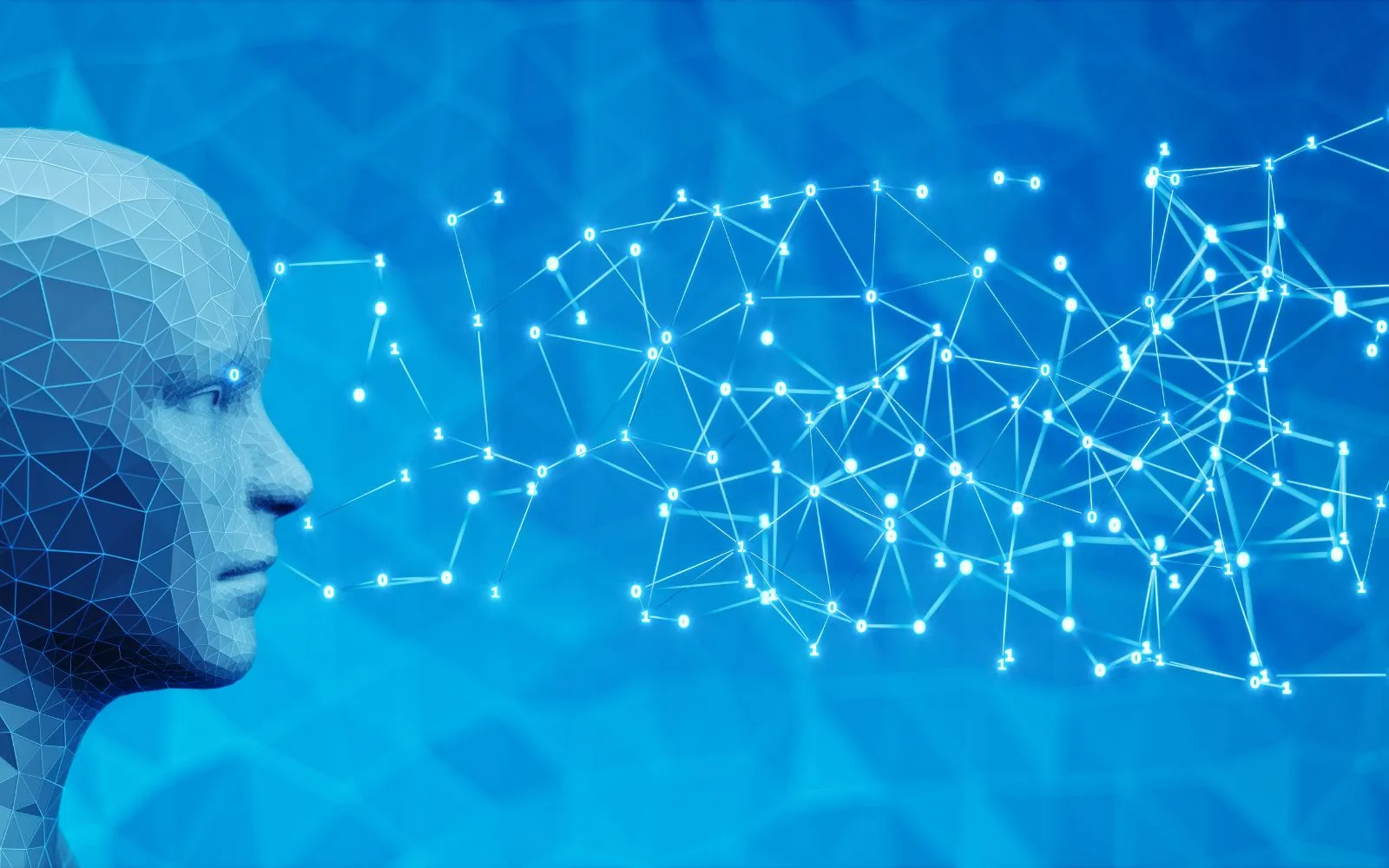
When using chatbots or language models to analyze your own information, the biggest challenge isn't technical. It's a very simple one: how do you get artificial intelligence to understand your data without exposing it? One of the strategies we use at Cloud Levante to achieve this is embeddings.
What is an embedding?
An embedding is a way of converting information — text, images, or audio — into numbers that represent its meaning. That way, the AI doesn't work with words or sentences, but with relationships between concepts.
Imagine you have a confidential document. Instead of handing it over as-is, you do this:
- You don't share the text.
- You don't share the words.
- You only share some "coordinates" that indicate what it's about.
That's an embedding: a translation of the text's meaning into numbers. The AI never sees the original content, only a mathematical version that lets it know:
- Whether two texts are about the same thing.
- Which information is related.
- Which fragment is most relevant for answering.
It's like telling someone "this is about billing" without showing them the invoice.
What are embeddings used for?
Thanks to embeddings, systems can:
- Search for information by meaning, not by exact words.
- Compare documents and detect similarities.
- Give more precise answers without processing entire texts.
This makes models more efficient and more controllable.
Embeddings and data protection
Let's be clear: embeddings alone do not guarantee anonymity or absolute security. That's why, at Cloud Levante, embeddings are never used in isolation — they're one more layer within a broader strategy for security, confidentiality, and data privacy.
Why do we use embeddings in our systems?
Embeddings do not replace a complete security strategy. But combined with other confidentiality, privacy, and data-control measures, they make it possible to analyze information with language models in a much safer way.
At Cloud Levante, they are just one of the many layers we use to protect data when designing and training systems that work with real, sensitive information.